
Basic Maintenance for A1
To ensure a smooth operation, high quality prints, and a long lifetime of the A1, it is recommended to perform regular maintenance for the most important parts:
Toolhead Maintenance
Is it very important to perform regular maintenance on the toolhead, as the extruder, nozzle, and the hotend fan can gather filament and debris over time. One way to remove any debris is by using a can of compressed air, which can blow away any small pieces of filament.
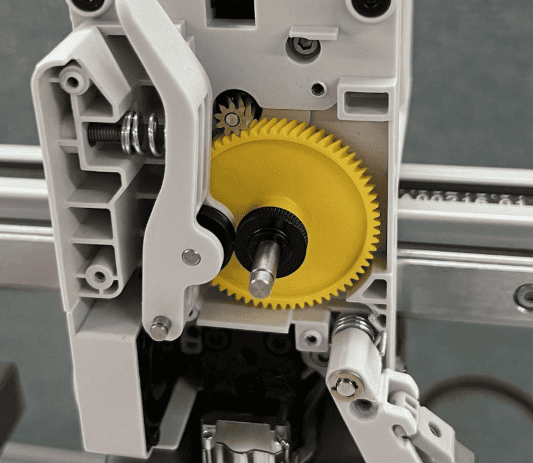
If this solution does not work, you might be required to disassemble the extruder and perform some in-depth cleaning of the components. A detailed guide is available on the Bambu Lab Wiki to walk you through the process.
X/Y/Z Axis Maintenance
Another important section of the printer that requires maintenance over time is the movement axis rails for X, Y and Z. Depending on how often the printer is used, and the printer’s environment, it is recommended to perform this operation every 200-300 print hours, or when the rails look dirty.
X-axis linear rail
Start by wiping the X-axis using a paper towel or a microfiber cloth to remove any dust, debris, or other grime.
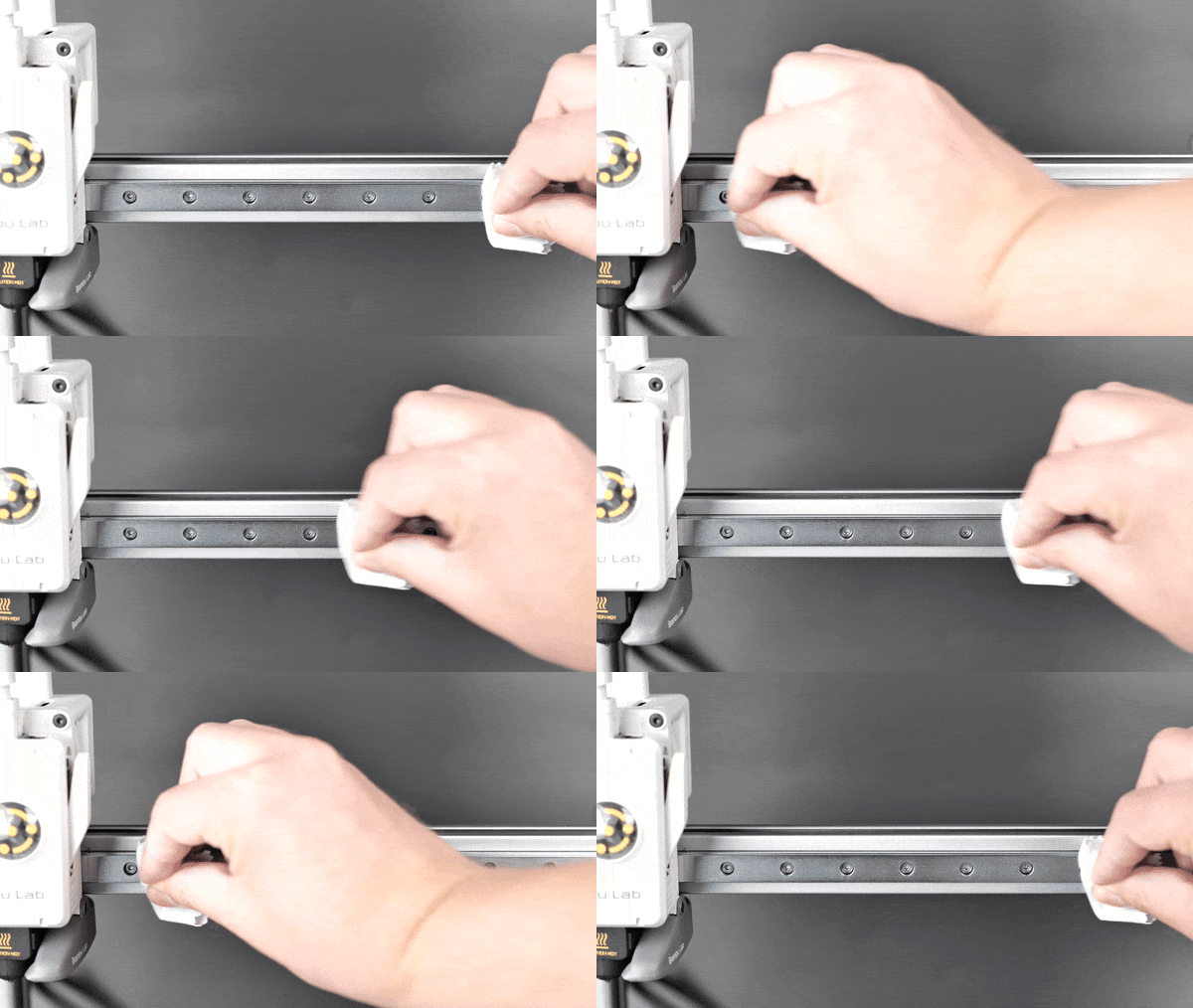
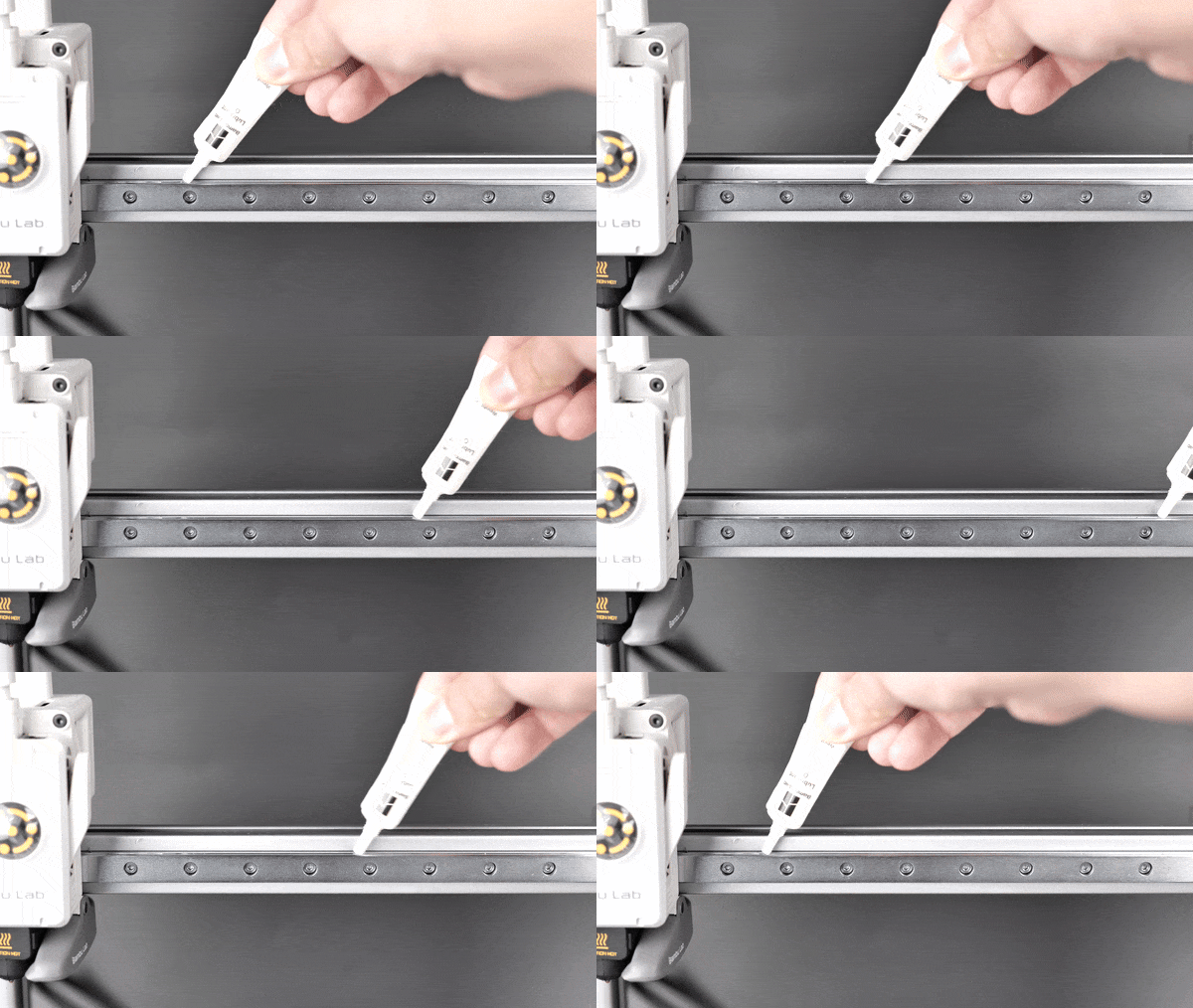
Next, apply a small amount of oil to the entire length of the linear guide.
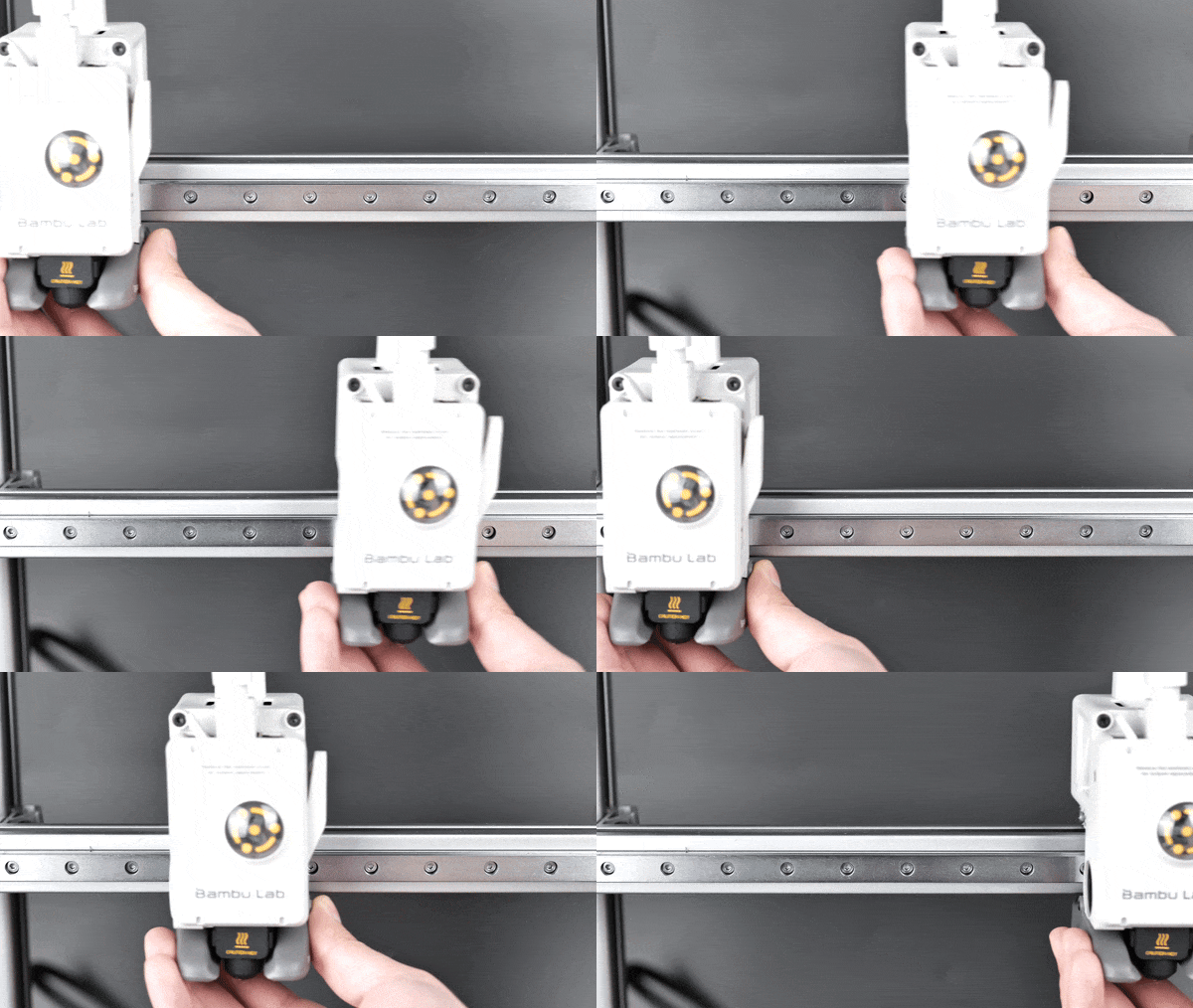
Once applied, move the print head along the X axis to spread the oil. This will help the oil reach the bearings.
Finally, wipe the excess oil that might be present on the linear rail.
Y-axis linear rail
The Y-axis linear rail is protected by the plastic cover, so it will not need a lot of maintenance. But when the time comes, start by removing the plastic cover to expose the rail.
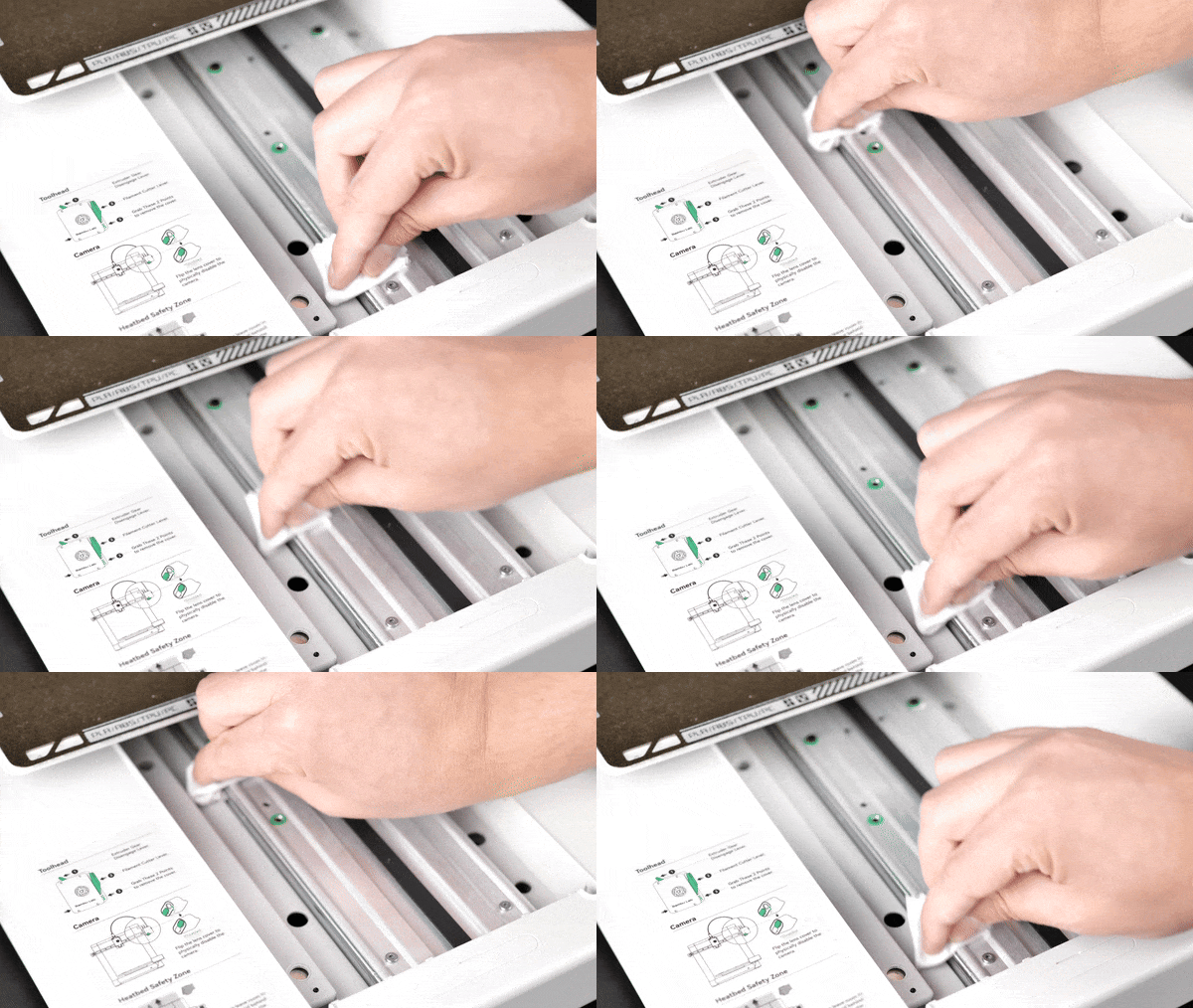
Wipe both sides of the Y-axis linear guide using a paper towel or a microfiber cloth to remove any dust, debris, or other grime, as shown. Once you wipe the front side, push the heatbed to the front of the printer, and repeat the same process for the back side of the rail.
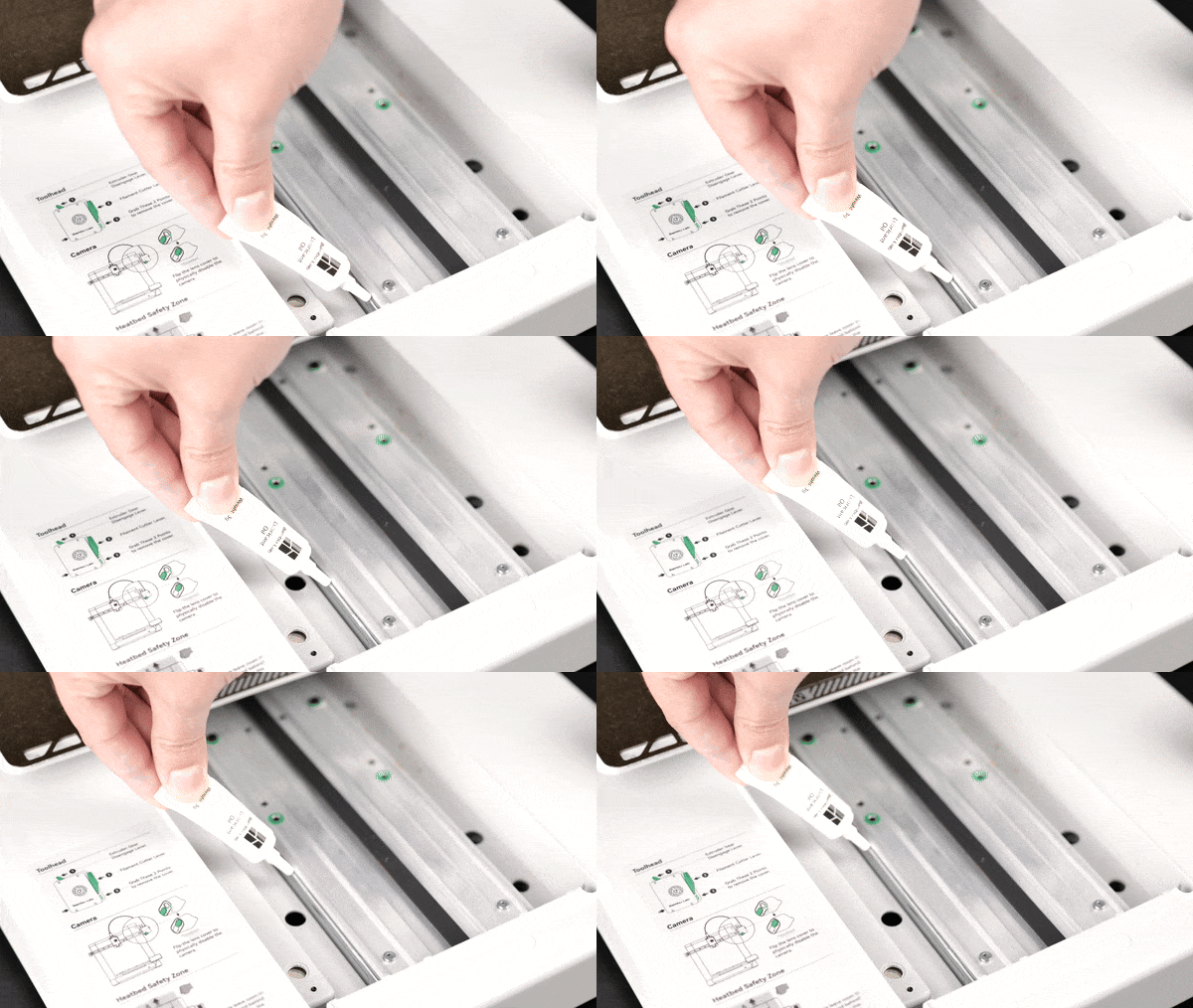
Apply a small amount of grease to the entire length of the linear guides, making sure to cover the entire section. If you wish, you can use a small paintbrush to spread the grease more uniformly.
Once applied, move the heatbed a few times backward and forward, to ensure even distribution and don’t forget to do the same on the back side of the rail.
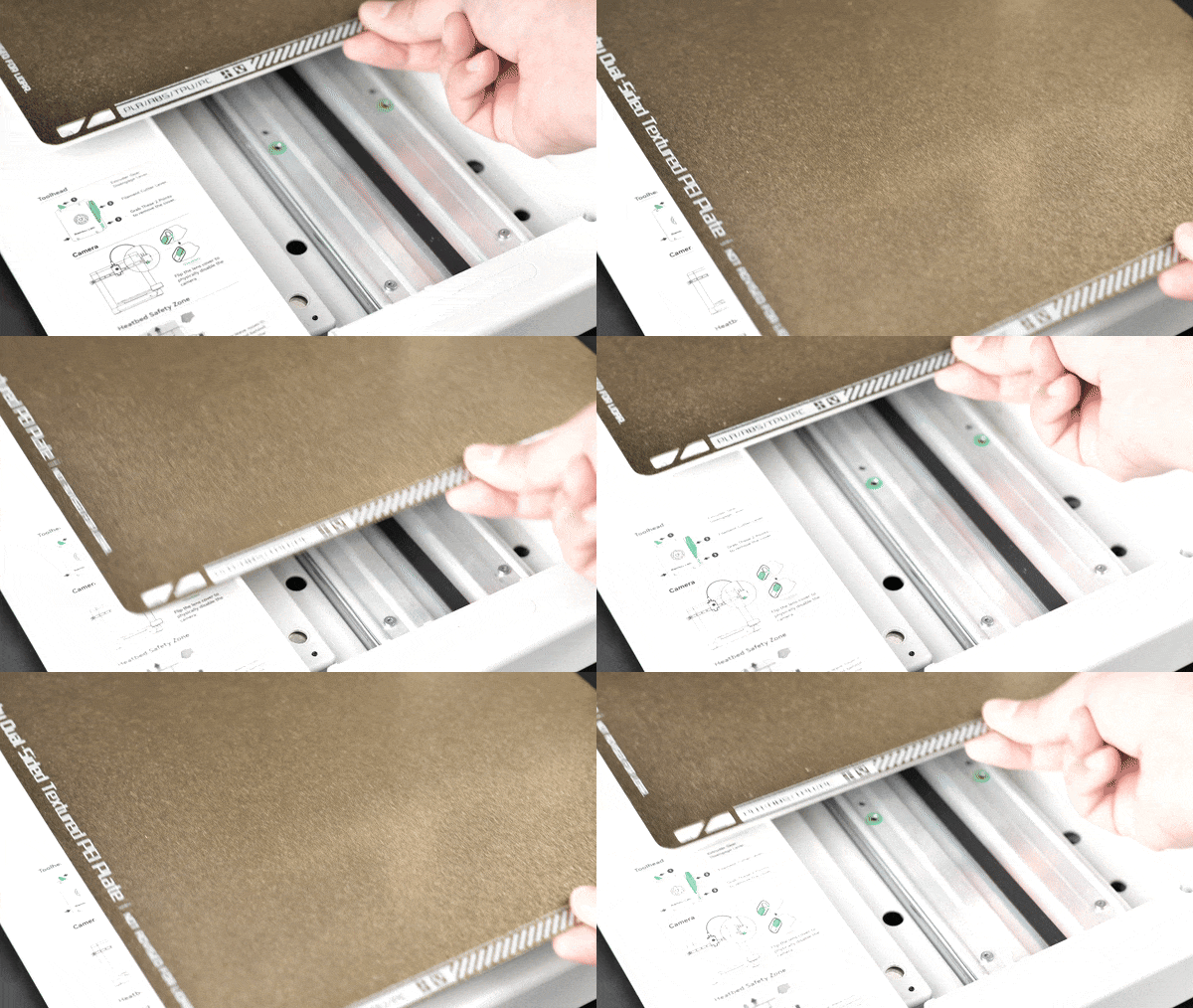
Once complete, wipe away any excess grease.
Z-axis linear rail
The Z-axis rods are covered so they don’t require lubrication as often. We recommend following the A1 Maintenance Guide on the Bambu Lab Wiki for the Z-axis maintenance.
Nozzle Wiper
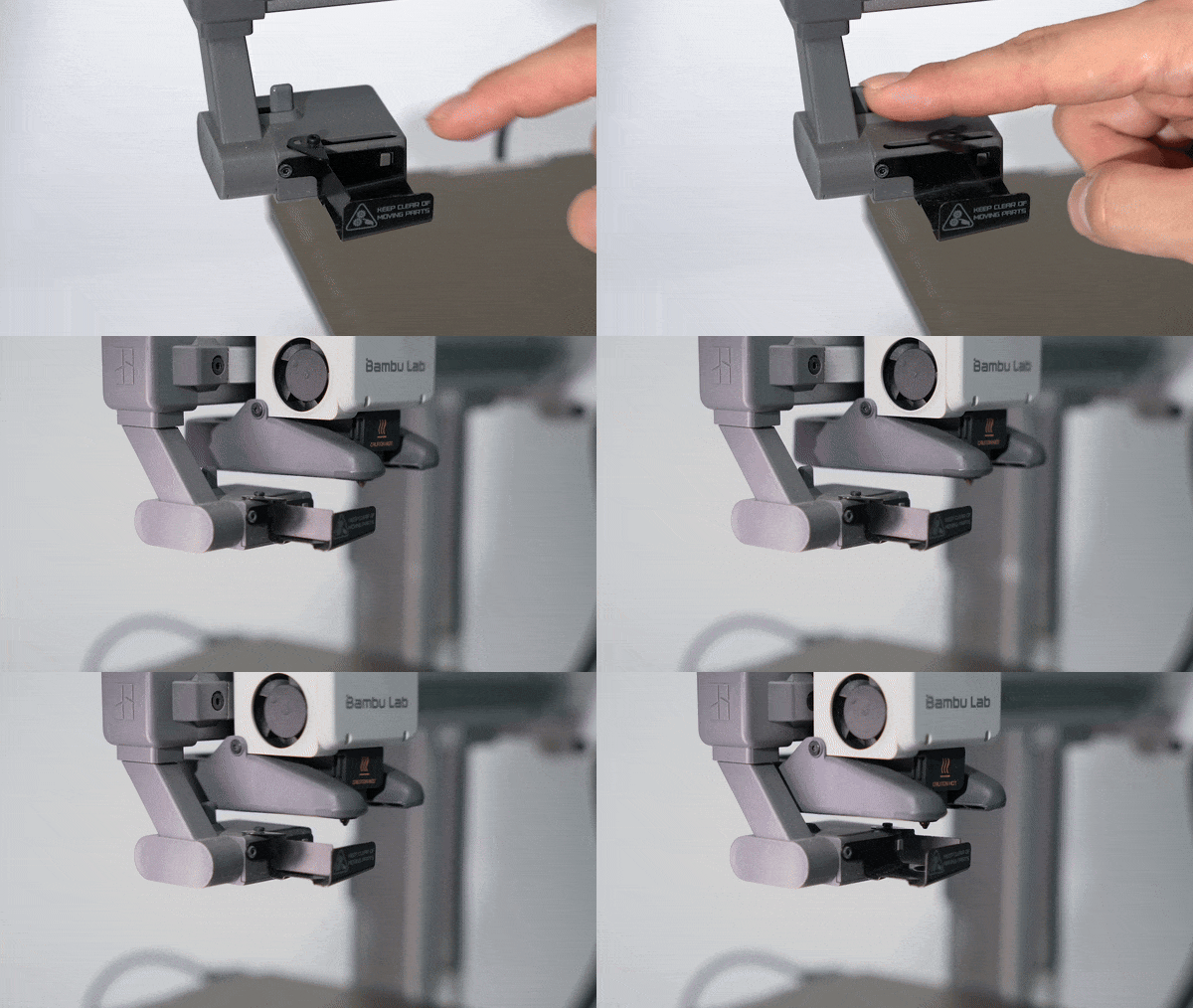
Keeping the nozzle wiper clean and in working condition is crucial for the automated processes the printer performs, especially for multi-color prints. Regularly check the nozzle wiper and confirm that the wiping movement works smoothly. Also, ensure the metallic wiper is correctly aligned to remove any filament that might be on the nozzle.
Hotend Heating Assembly
After prolonged use, it is a good idea to check the screws of the hotend heating assembly as over time, they might be come loose due to vibrations and heating.
Start by removing the hotend, then removing the three screws holding the heating assembly in position.
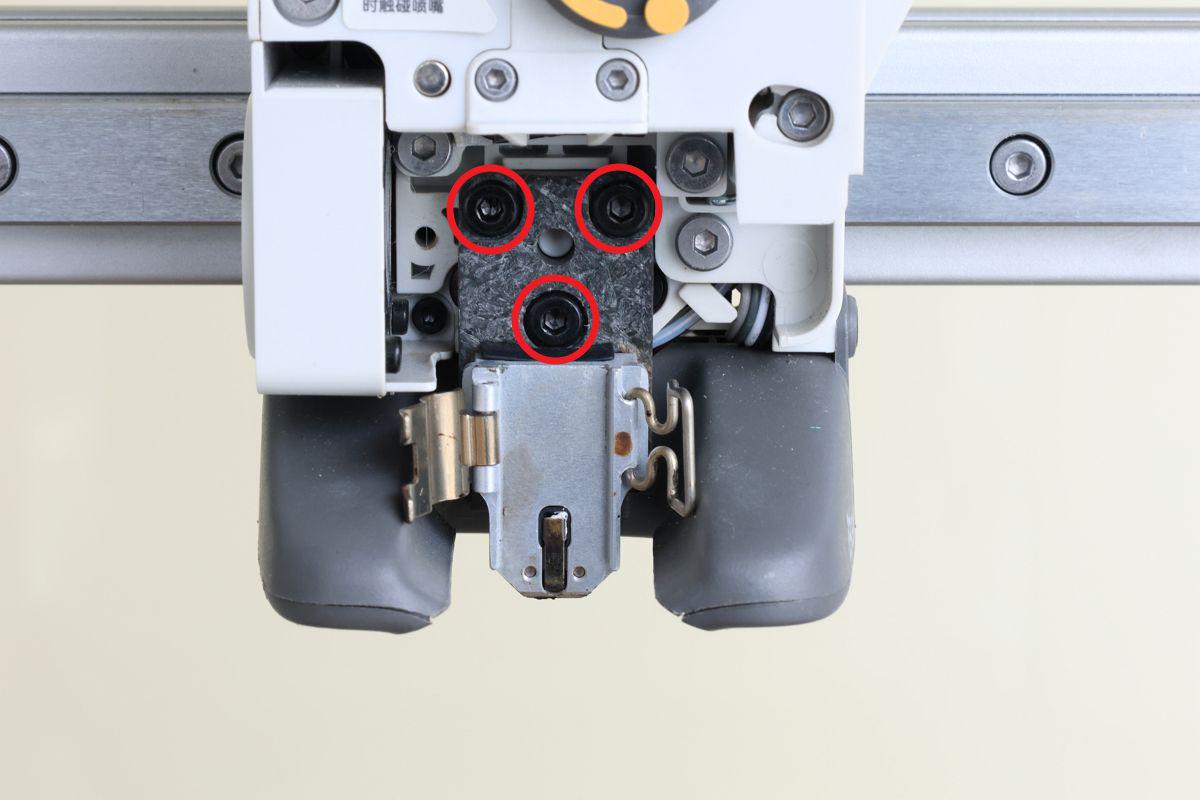
Once removed, flip the heating assembly and tighten the four screws.
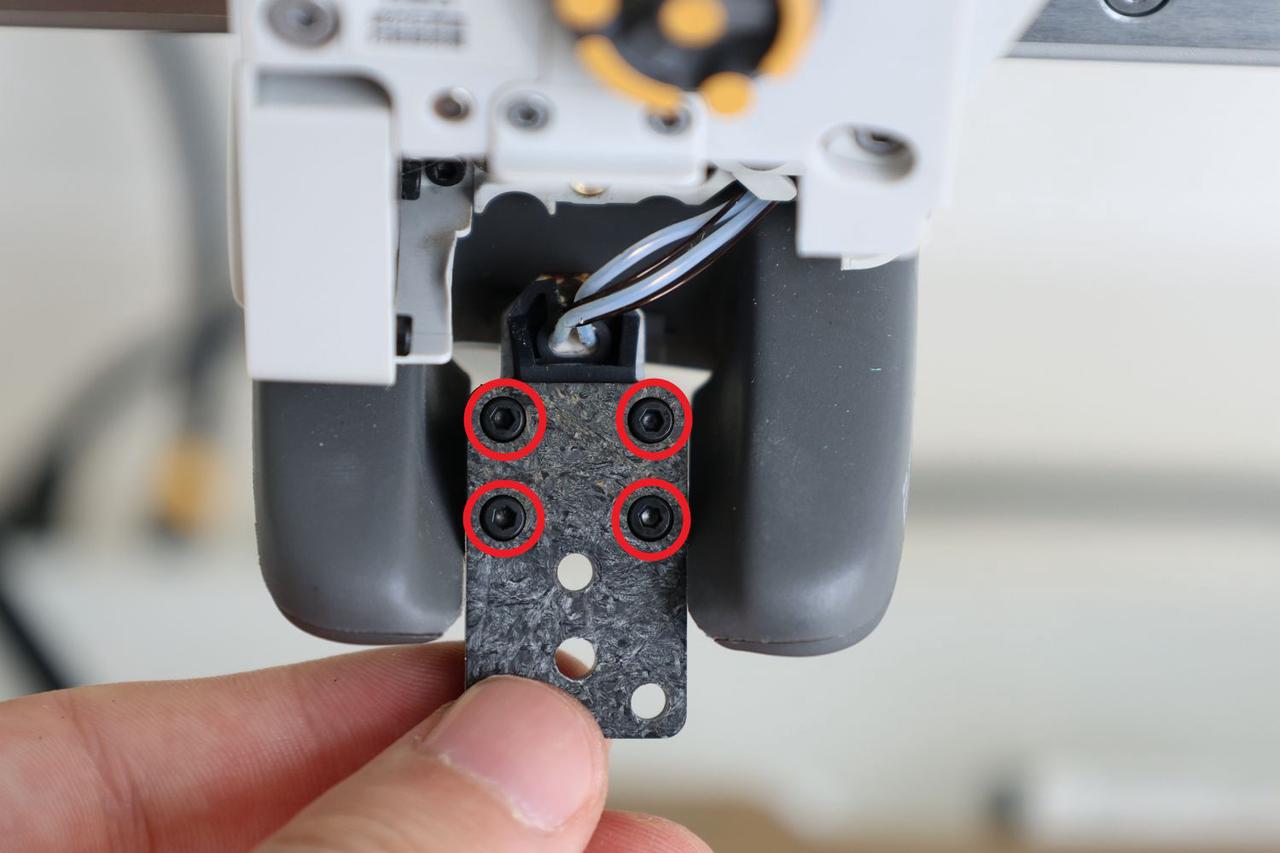
What’s left now is to simply re-install the heating assembly back in its original position with the three screws, then re-install the hotend in place.
It is a good idea to perform a bed leveling calibration once this process is done, to ensure the printer is recalibrated for the nozzle position, if it has changed in any way.
PTFE tubes
Over time, the PTFE tubes used on the printer can also become worn and will require replacement to ensure the printer continues to work smoothly. The PTFE tubes get worn over time due to the friction generated by the filament when traveling through them. Some filaments, like the ones infused with carbon fiber or the glow-in-the-dark, will accelerate the wear of the PTFE tubes.
For the A1, replacing the PTFE tube is a very simple process. Simply push on the black PTFE tube coupler and pull out the tube. If the PTFE tube is not releasing, you might need to apply a bit more pressure on the coupler.
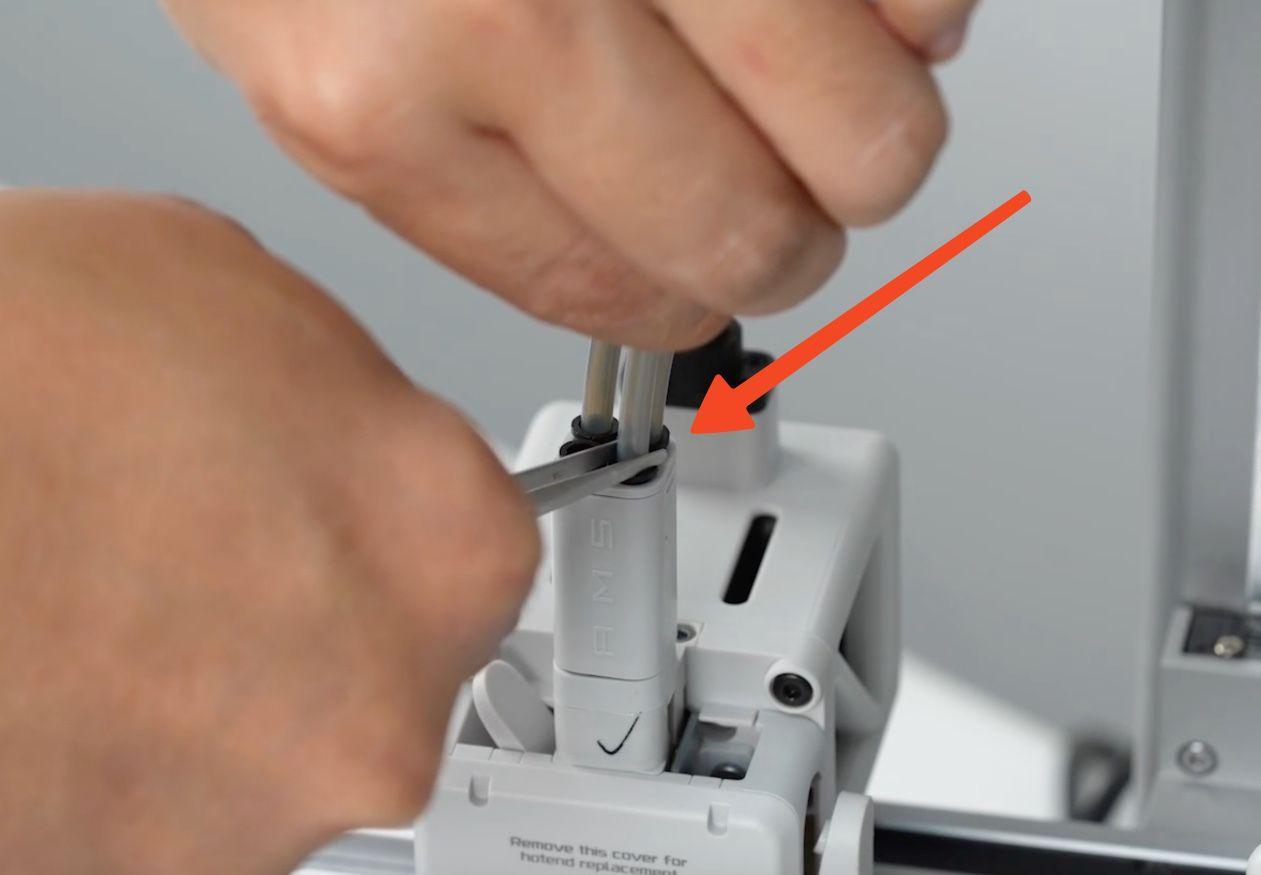
To install a new tube, simply push the PTFE tube into the PTFE coupler until it stops. The coupler will automatically grab the tube and keep it secured.